Available Dec 2026
Mr. California
The first biography of the Republican who won nearly every race he entered in an increasingly Democratic state, and who saw the future of his party before it arrived.
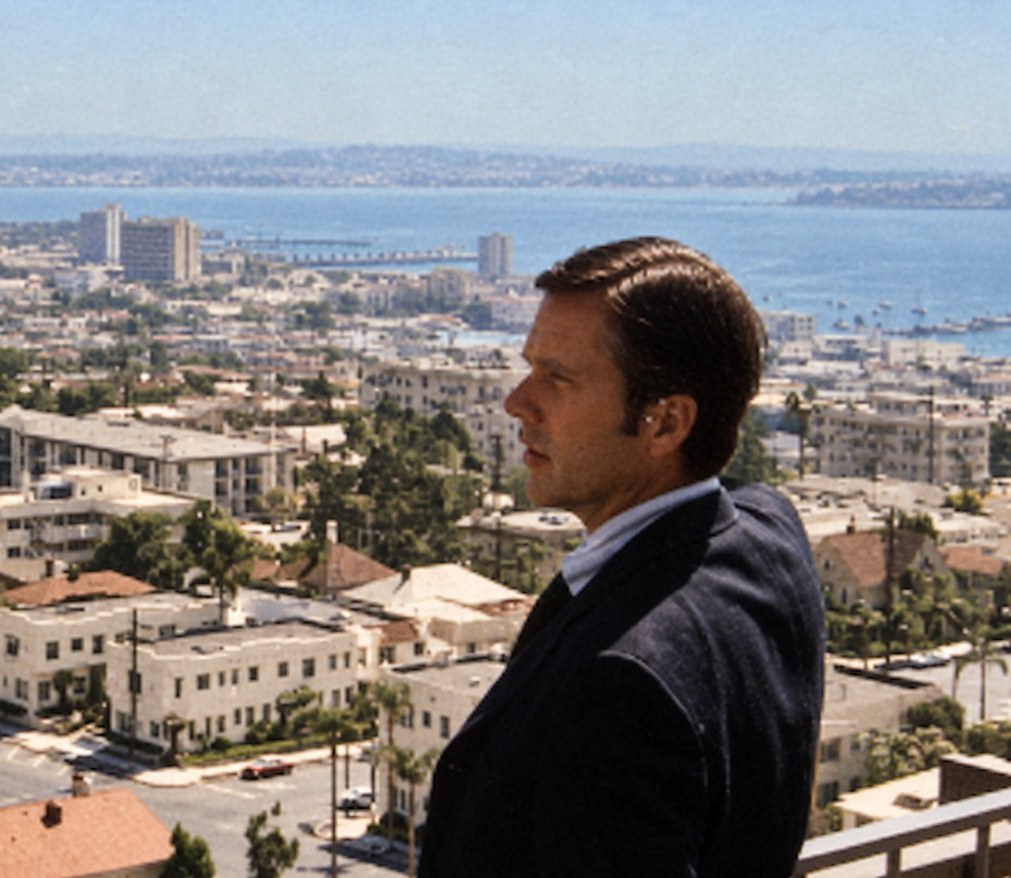
San Diego. Wilson looking over downtown San Diego. First elected mayor in 1971, he was credited with transforming the downtown from a run-down backwater into a vibrant and attractive location, leading to San Diego’s nickname, “America’s Finest City.”
About the book
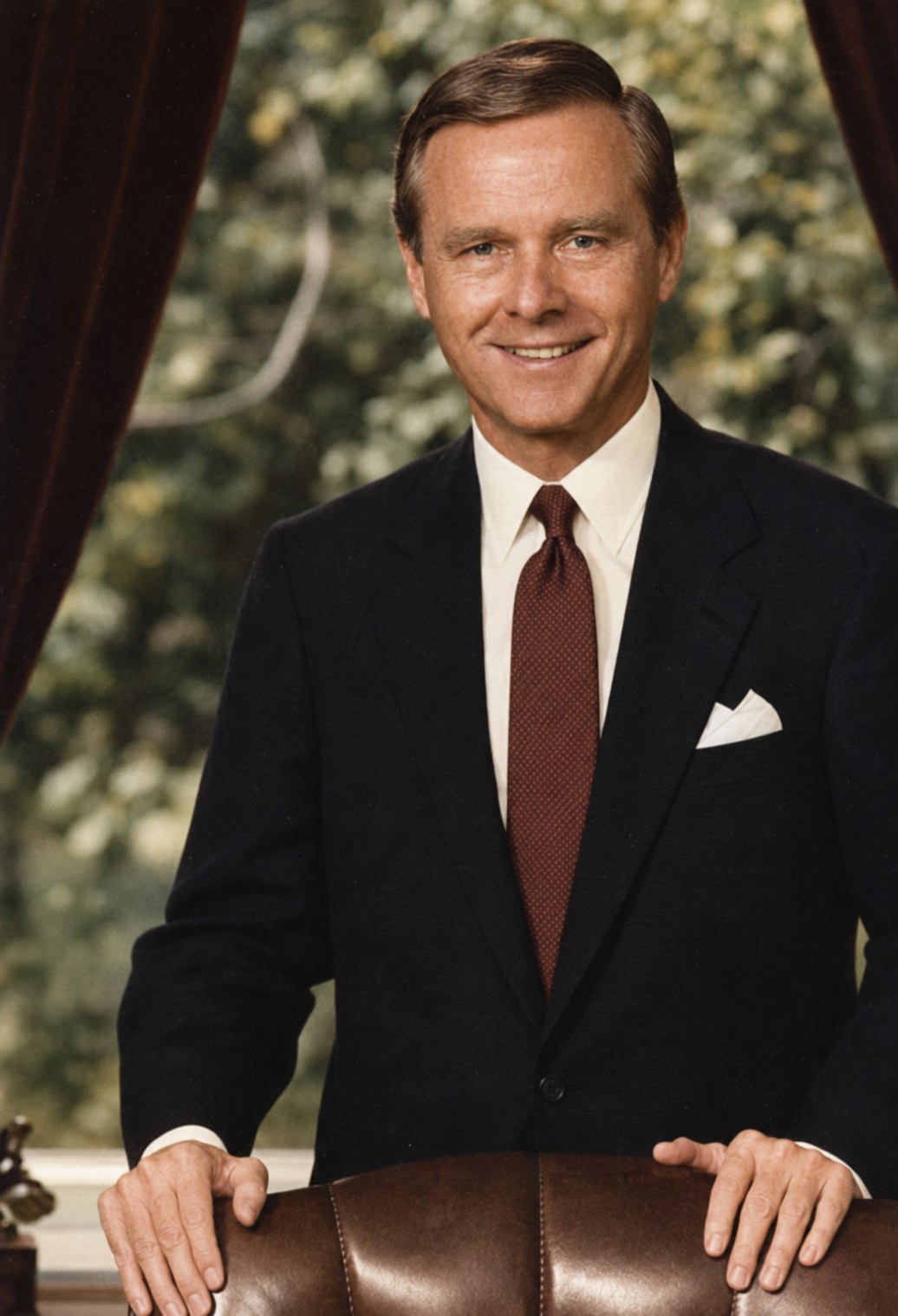
Author Ben Judge presents the first-ever biography of California Governor Pete Wilson.
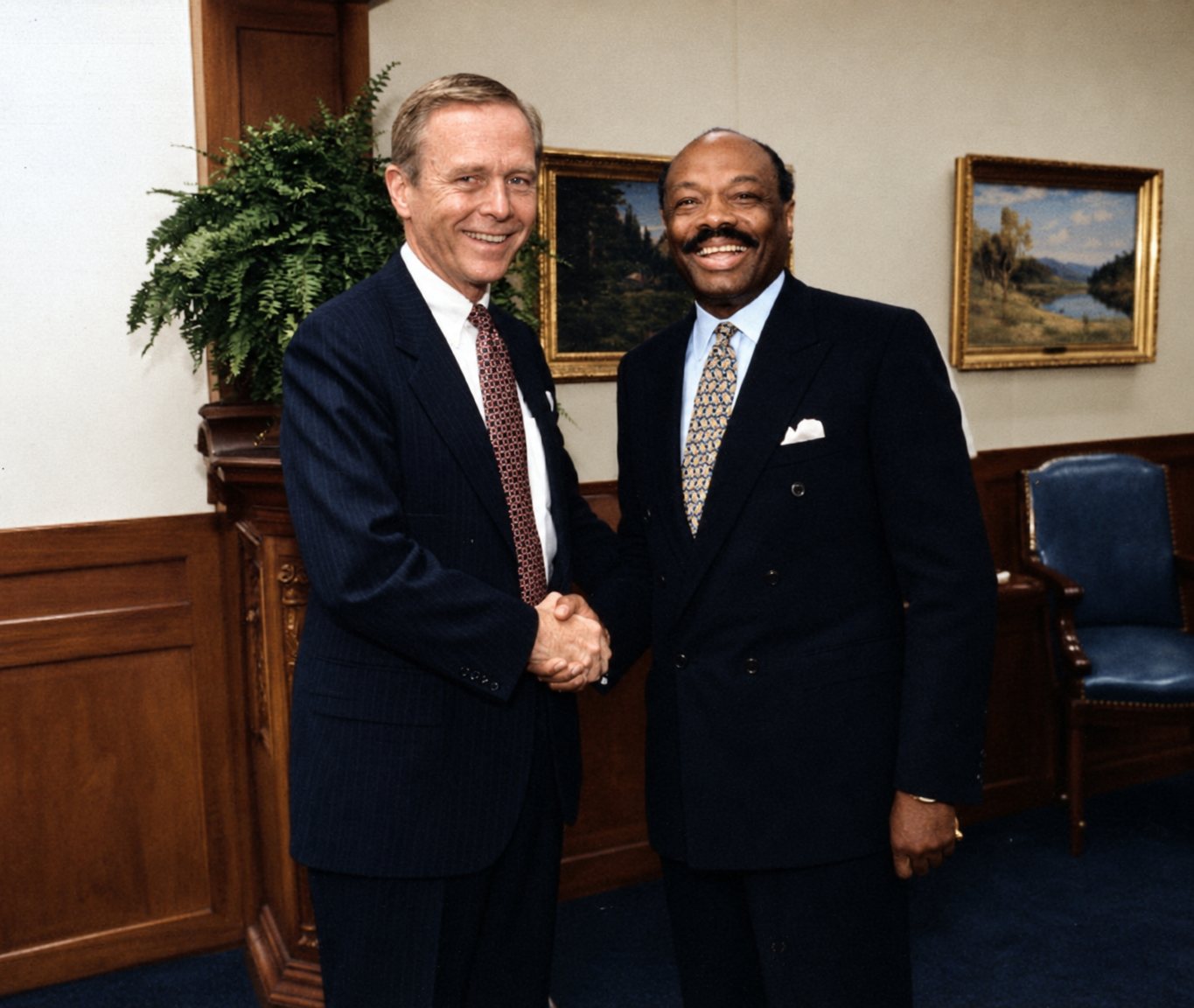
Toppling political giants such as Jerry Brown and Dianne Feinstein, and squaring off against formidable opponents such as Willie Brown, Wilson served as an assemblyman, as a long-tenured mayor of San Diego, as a member of the US Senate, and finally as Governor of the nation’s most populous and wealthiest state.
Frequently alleged to be too moderate for national Republican politics, Pete Wilson in reality anticipated many of the positions the modern Republican Party has adopted. On crime, affirmative action and illegal immigration, he flew in the face of media controversy to implement policies voters overwhelmingly supported, and he left office in 1999 with a $16 billion budget surplus.
More than a historical snapshot, this book is a guide for readers who want to understand what real political success and statesmanship are about.
Pete Wilson
Assemblyman, mayor, senator, governor.
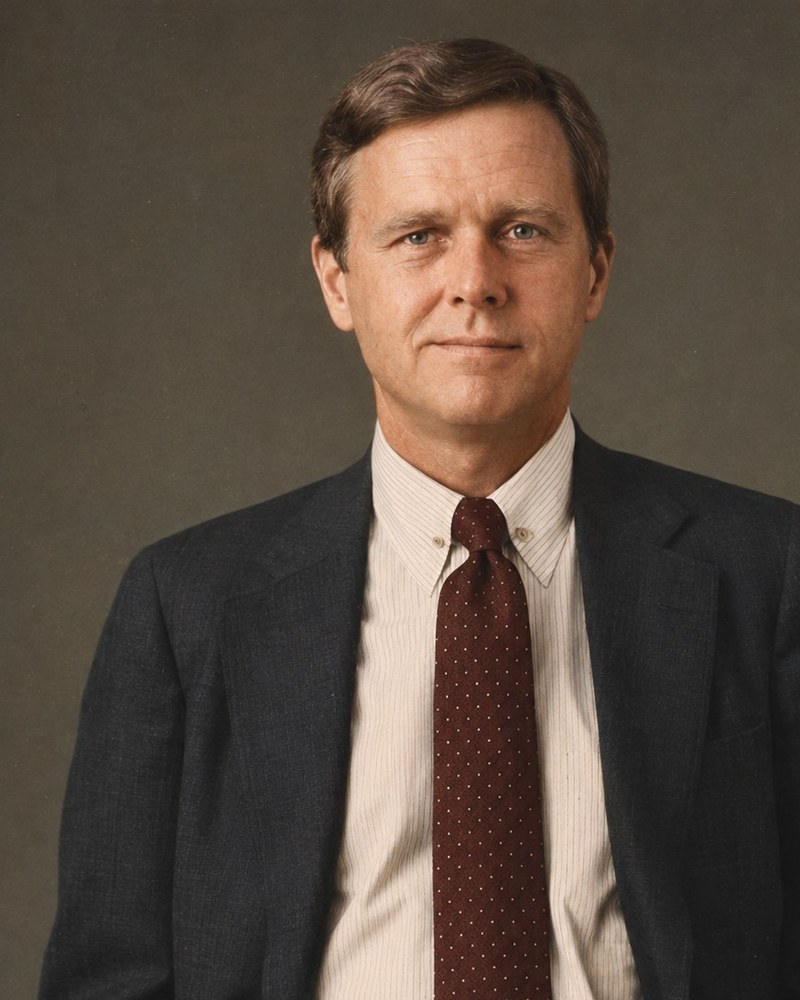
1967–1971
California State Assembly
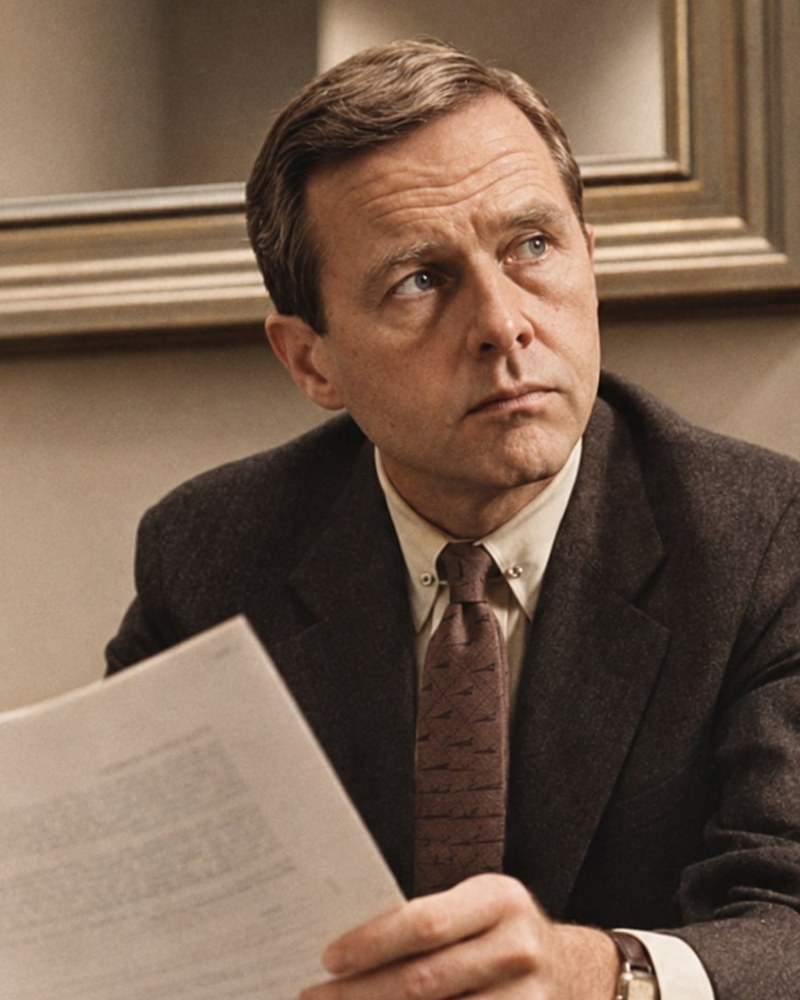
1971–1983
Mayor of San Diego
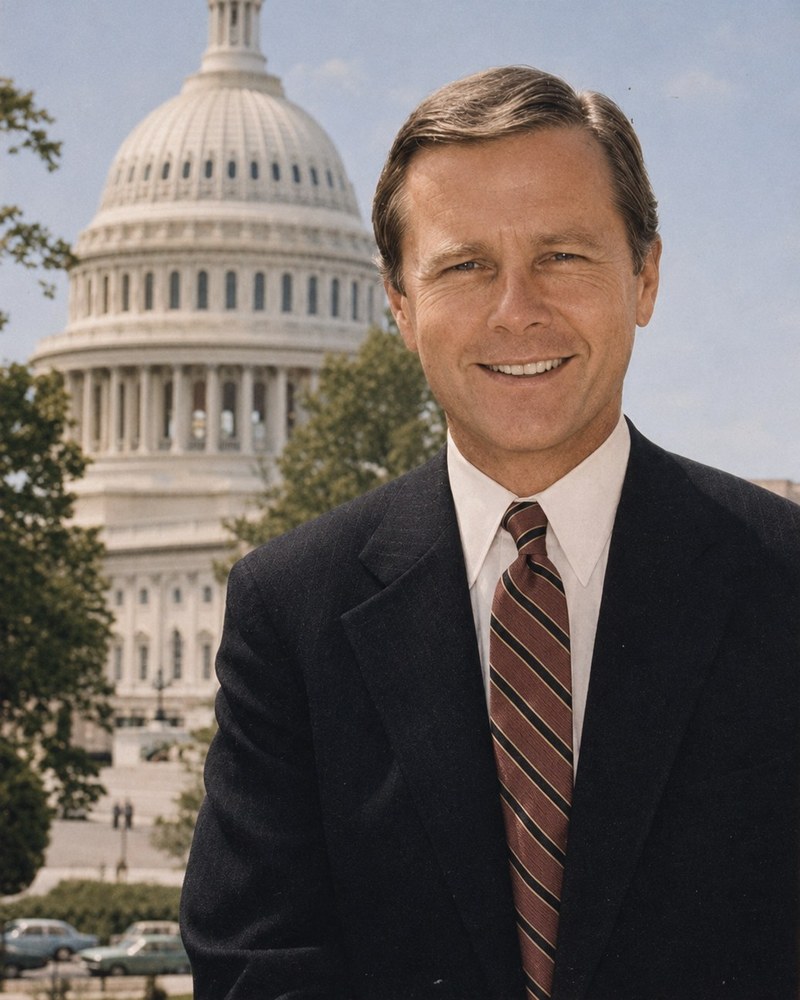
1983–1991
US Senator
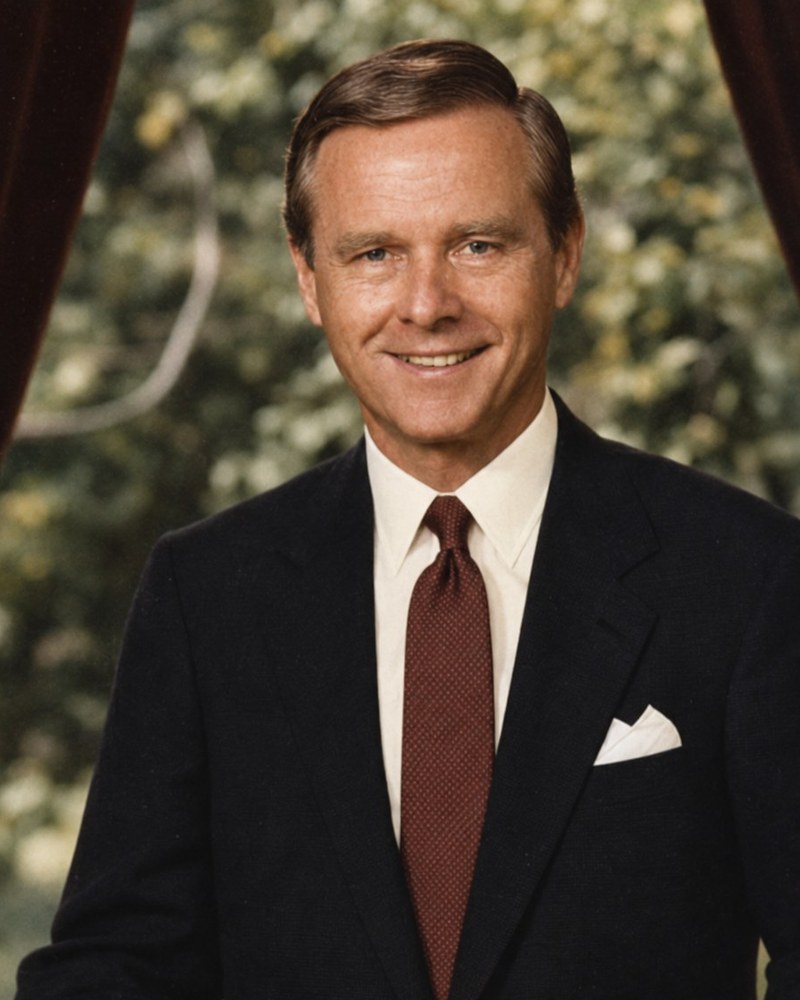
1991–1999
Governor of California
The author
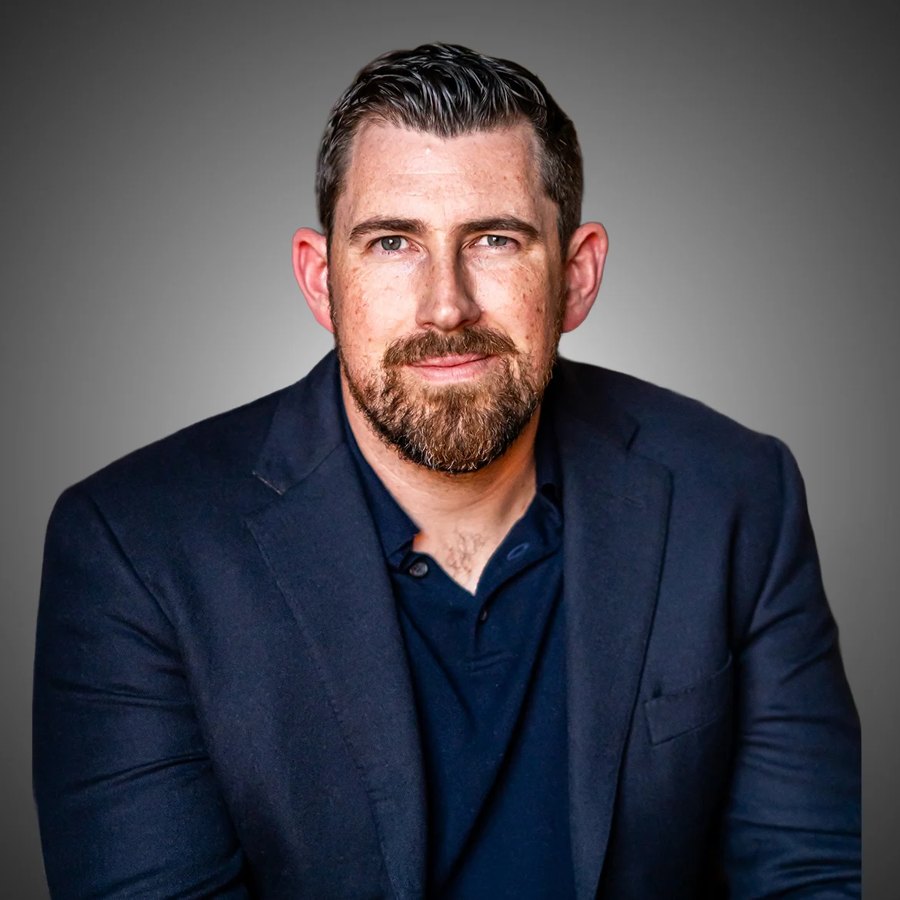
Ben Judge
Ben Judge is the creator and executive producer of the documentary Right Makes Might: The Lincoln-Douglas Debates, and the editor of United and Independent: John Quincy Adams on American Foreign Policy. He holds a PhD in political science from Claremont Graduate University and served in the United States Navy Reserve.
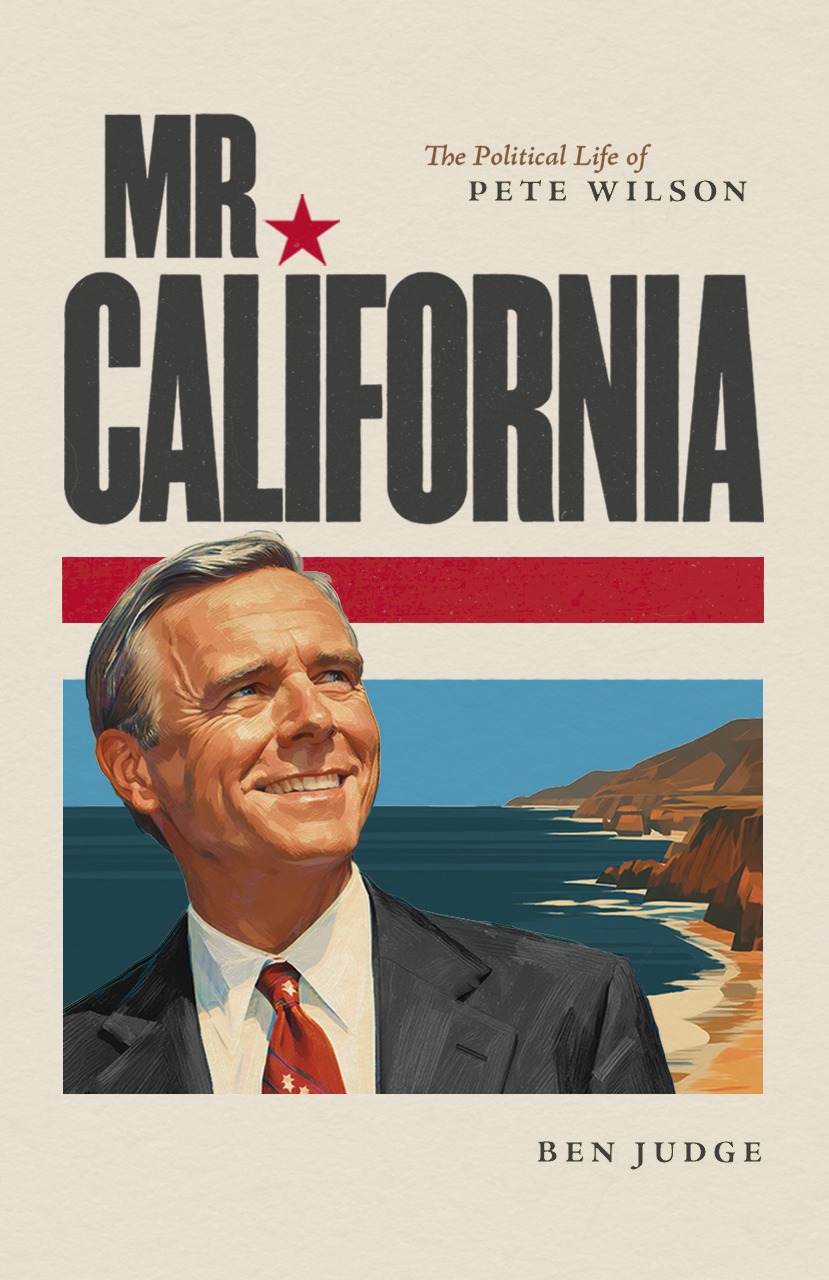
Book details
- Publisher
- The America Fund
- Published
- Dec 1, 2026
- Length
- 286 pages
- Formats
- Paperback, Kindle
- Inquiries
- media@mr-california.com
Press kit
The book description, the author’s biography, photographs and sample interview questions for Mr. California: The Political Life of Pete Wilson.
- Title
- Mr. California: The Political Life of Pete Wilson
- Author
- Ben Judge
- Publisher
- The America Fund
- Published
- Dec 1, 2026
- Length
- 286 pages
- Formats
- Paperback, Kindle
Cover JPG, 829 × 1280. Review copies, interviews and speaking requests: media@mr-california.com
About the book
Pete Wilson won almost every race he entered, succeeding as a Republican in an increasingly Democratic California. Defeating political giants Jerry Brown and Dianne Feinstein and confronting formidable adversaries such as Willie Brown, Wilson served in the State Assembly, as a long-time mayor of San Diego, a US Senator, and, from 1991 to 1999, Governor of the nation’s most populous and wealthiest state.
Often dismissed as too moderate for national Republican politics—and portrayed by Democrats as a threat to California’s Latino population—Wilson anticipated many positions the modern GOP would embrace in the Trump era. On crime, affirmative action, and illegal immigration, he defied intense media criticism to champion policies that commanded overwhelming voter support, including the “Three Strikes” law for repeat offenders and Proposition 187, which sought to deny public benefits to illegal immigrants. Despite fierce controversy, Wilson left office with a $16 billion budget surplus and an approval rating matching Ronald Reagan’s.
More than a historical portrait, Mr. California examines the convictions, political judgment, and sense of public duty behind an extraordinary career. From winning difficult elections to governing through crises, Wilson’s experience illuminates the demands of leadership in a changing state. This book offers enduring lessons in statesmanship from one of the most successful politicians in recent American history.
About the author
Ben Judge
Ben Judge is the creator and executive producer of Right Makes Might: The Lincoln-Douglas Debates. He is also the editor of United and Independent: John Quincy Adams on American Foreign Policy, Samuel Flagg Bemis’s Diplomacy of the American Revolution, and the Golden Thread edition of the Lincoln-Douglas Debates. Ben holds a PhD in political science from Claremont Graduate University and served in the US Navy Reserve.
Book a guest
Pete Wilson spent 32 years in public office, and many of the people who served with him went on to prominent careers in American politics, government and law. Some worked for him in the US Senate. Others were in the governor’s office in Sacramento through the hardest stretch in modern California history: the 1991 budget collapse, the Los Angeles riots, the Northridge earthquake, and the fights over Three Strikes, Proposition 187 and Proposition 209.
These guests saw his decisions being made up close, and they can explain how he governed, why he took the positions he did, and why so much of his record looks different today than it did in the 1990s. They are available for television, radio and podcast interviews. To book a guest, email media@mr-california.com.
Sample questions
Suggested interview questions for television, radio and podcasts.
- 1
Pete Wilson won nearly every race he entered in an increasingly Democratic state. How did he do it?
- 2
Wilson spent 32 consecutive years in elected office. Why has there been no biography of him until now?
- 3
In 1992 Wilson let California pay its bills in IOUs for 63 days rather than raise taxes. What does that standoff tell us about how he governed?
- 4
His first term brought the Los Angeles riots, the Oakland fire, floods and the Northridge earthquake. How did those crises shape his governorship?
- 5
Three Strikes, Proposition 187 and Proposition 209 made Wilson a national lightning rod. How do those fights look today?
- 6
Wilson was often called too moderate for national Republican politics. In what ways did he anticipate today’s Republican Party?
- 7
What went wrong with his 1995 run for president?
- 8
Arnold Schwarzenegger said of Wilson, “I needed his wisdom.” What did Schwarzenegger take from him?
- 9
What can politicians today learn from Pete Wilson’s career?
To book Ben Judge or one of the guests above, email media@mr-california.com.
Press
News & Updates
News and updates on the book will appear here.
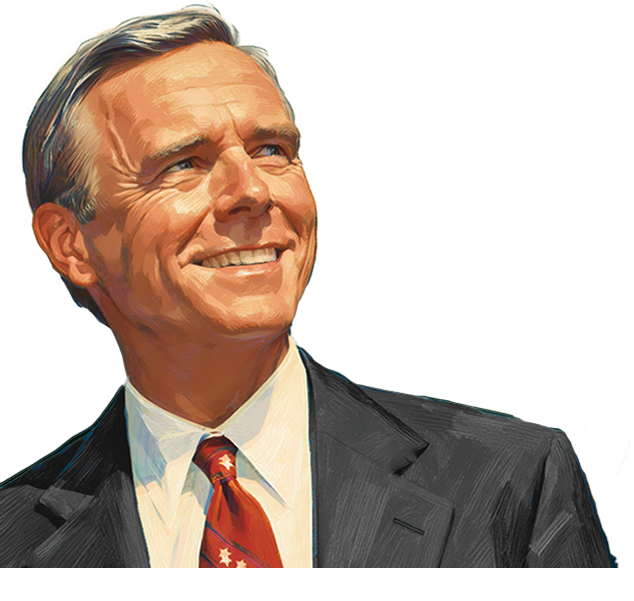
PETE WILSON
“Don’t look for a fight, but if you find yourself in one, make sure you win it.”His father’s advice, which Wilson followed for 32 years in office
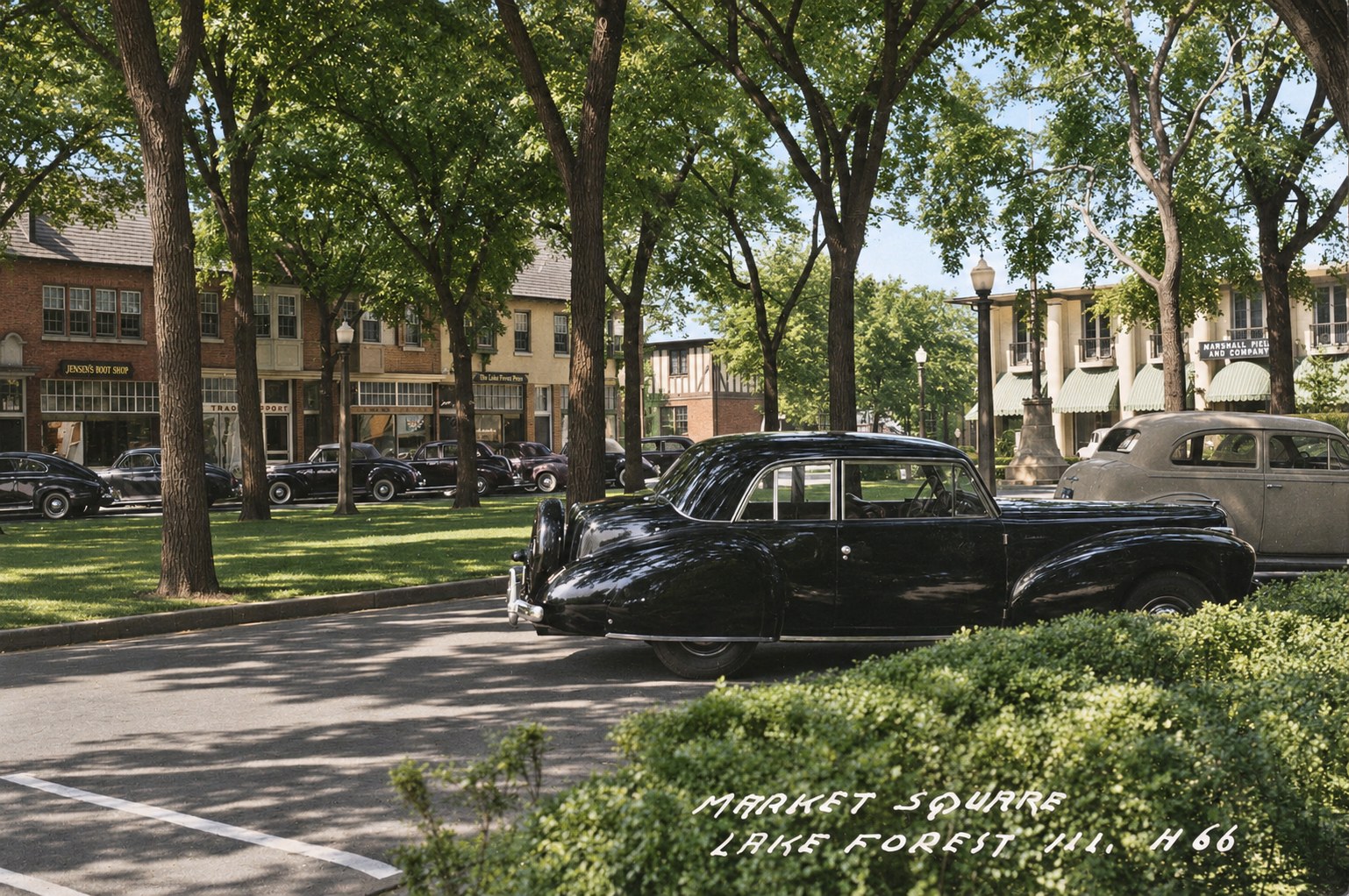
1933–1966
Early Life
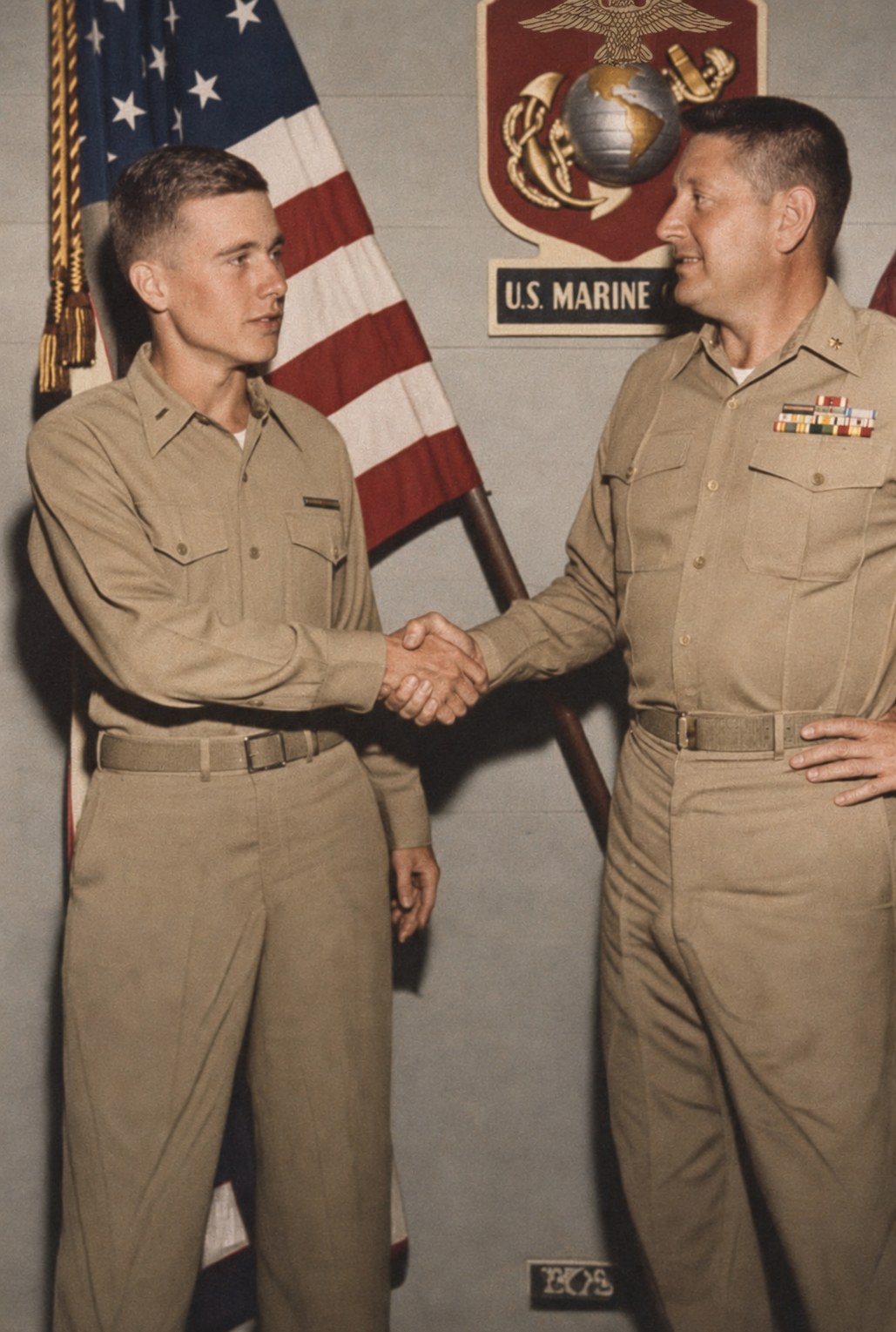
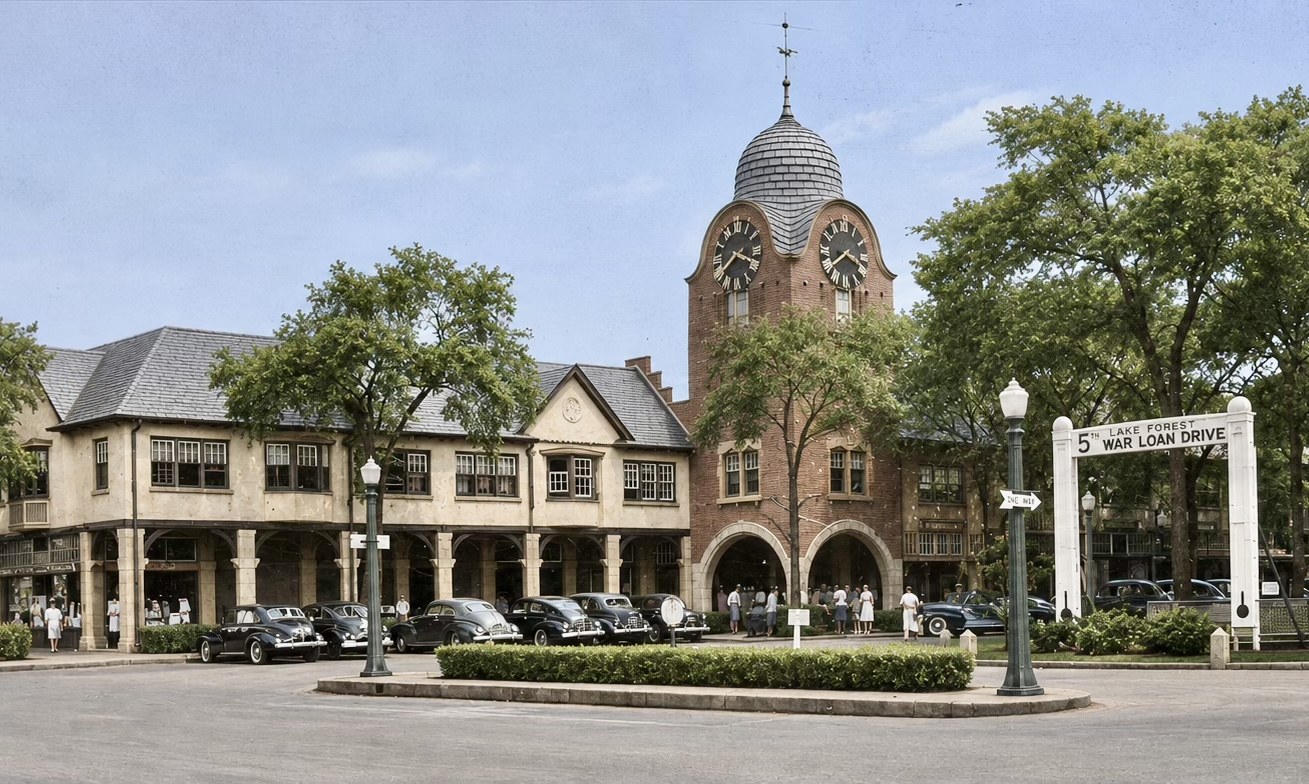
Pete Wilson was born outside Chicago in August 1933, the son of an advertising man who taught him, “Don’t look for a fight, but if you find yourself in one, make sure you win it.” After Yale, where he went on a Navy ROTC scholarship, he chose the Marine Corps because it was the tougher service, and served as an officer from 1955 to 1958.
He chose Berkeley’s law school over Stanford for the same reason, graduated in 1962, and spent that fall as an unpaid advance man on Richard Nixon’s campaign for governor. Two years later he was running the San Diego County Republican Committee, and in 1966 Nixon told him to run for the Assembly: “You’ve got the bug, Pete.”
1967–1971
California State Assembly
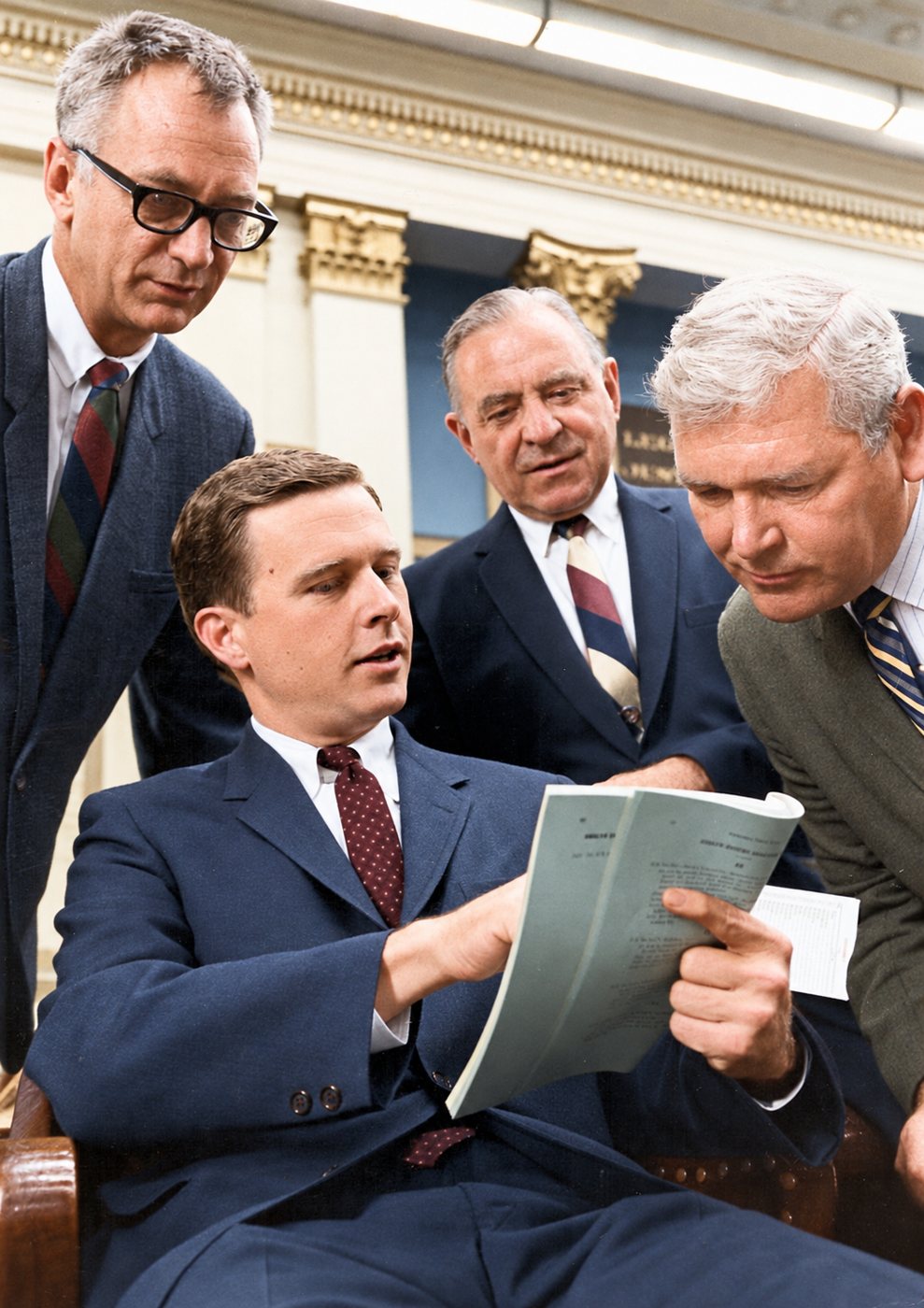
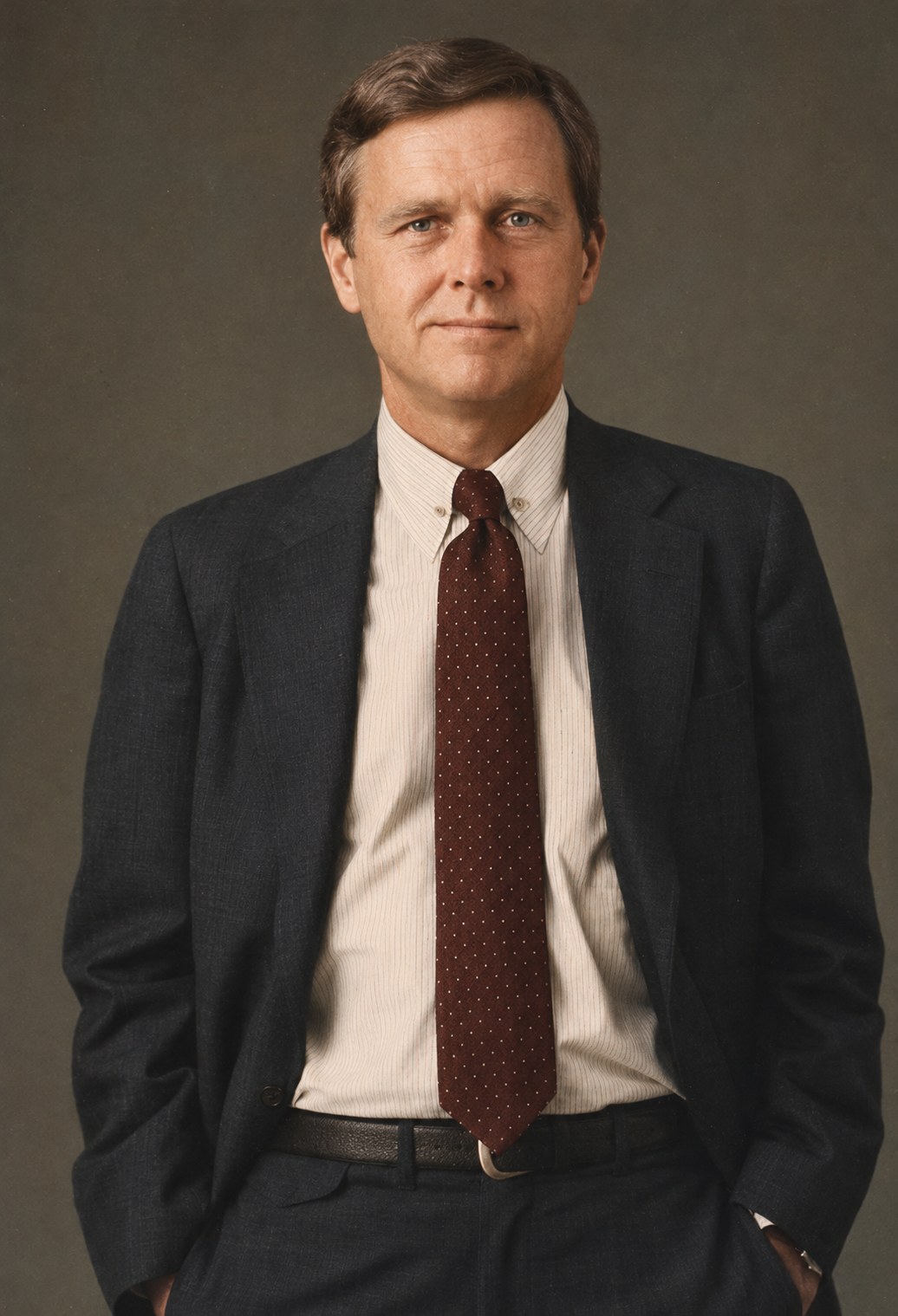
Wilson won the open 76th District seat in 1966, 62% to 38%. In Sacramento he read every bill, and his first major one, AB 1952, is still California’s Housing Element Law. When Republicans briefly held the Assembly in 1969, he chaired its new Urban Affairs and Housing Committee.
After the 1969 Santa Barbara oil spill he wrote a bill to protect the coast. When the Republican leader of the state Senate killed it, Wilson called it “gutless inaction that discredits the Senate,” and voters later passed a far broader measure of their own.
1971–1983
Mayor of San Diego
In 1970 a bribery scandal reached San Diego’s mayor and seven of its eight council members. Wilson ran against the developers’ sprawl under the slogan “No More Mira Mesas,” refused money from the city’s Republican kingmaker, and beat City Attorney Ed Butler 62 to 38, carrying every council district.
When the Republican Party pulled its 1972 convention out of the city, he turned the week into “America’s Finest City Week,” and the name stuck. He kept the Padres from moving to Washington, rebuilt a dead downtown around Horton Plaza and the Gaslamp District, and was re-elected in 1975 and, by 30 points, in 1979.

1983–1991
US Senator
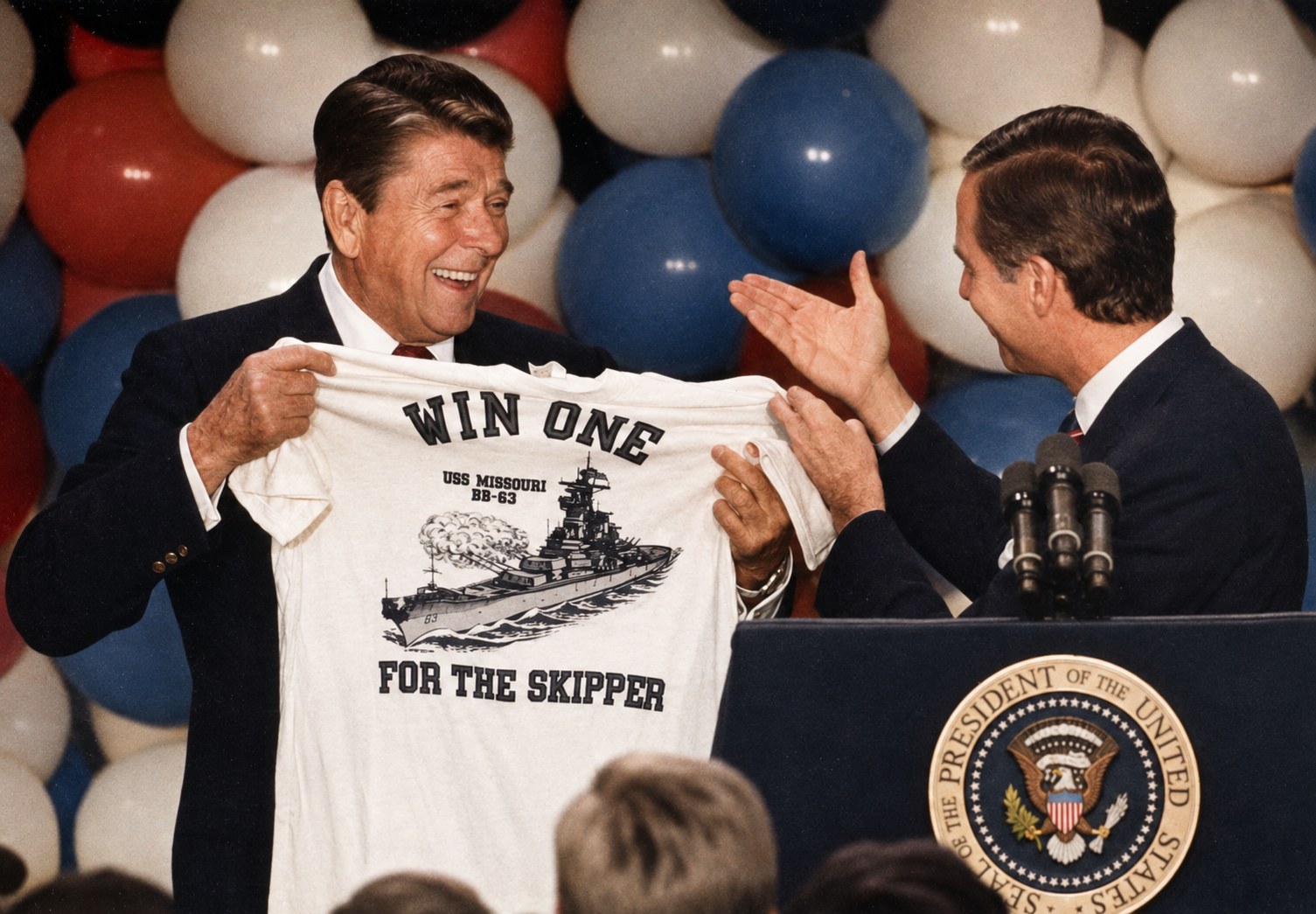
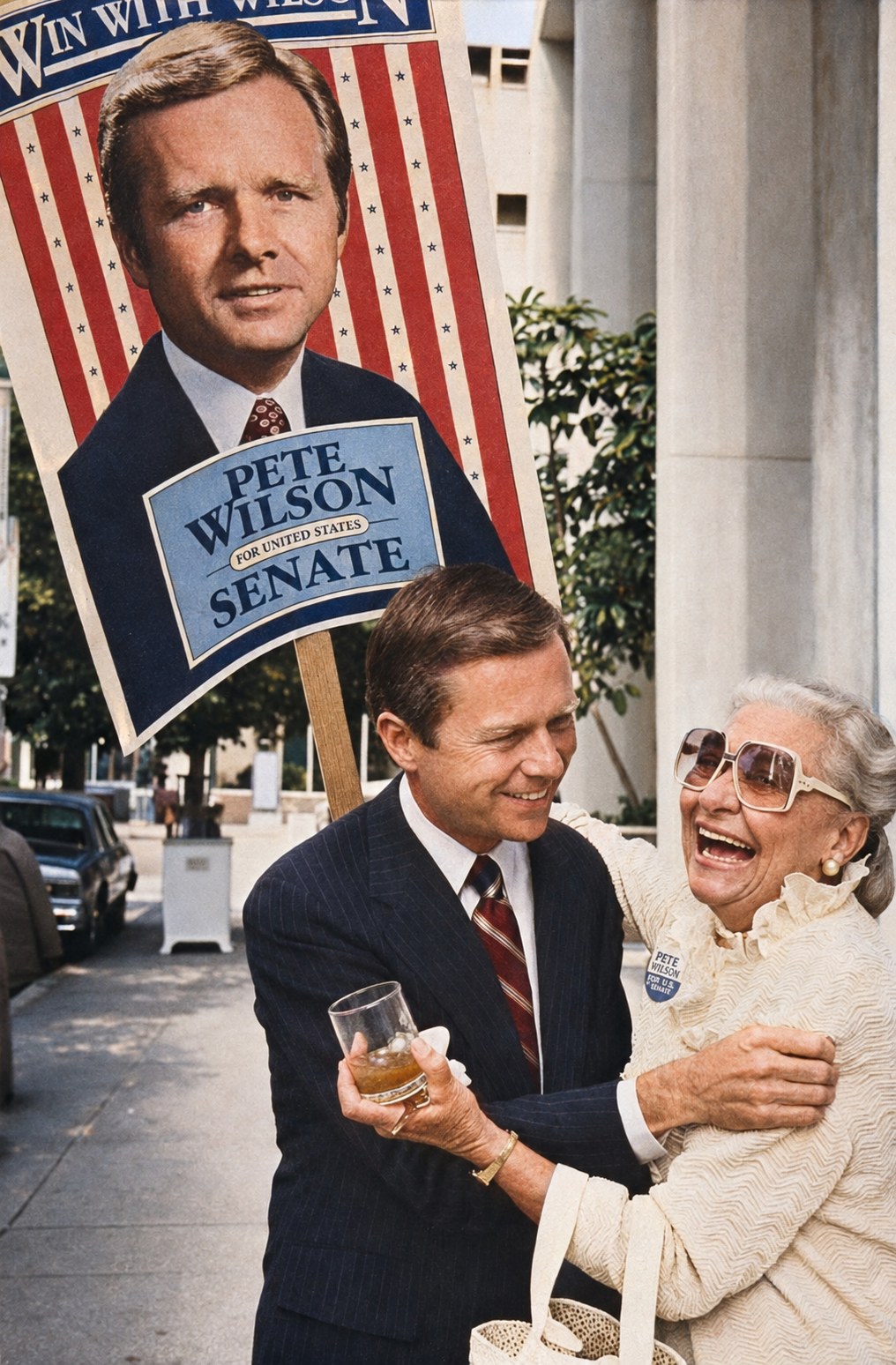
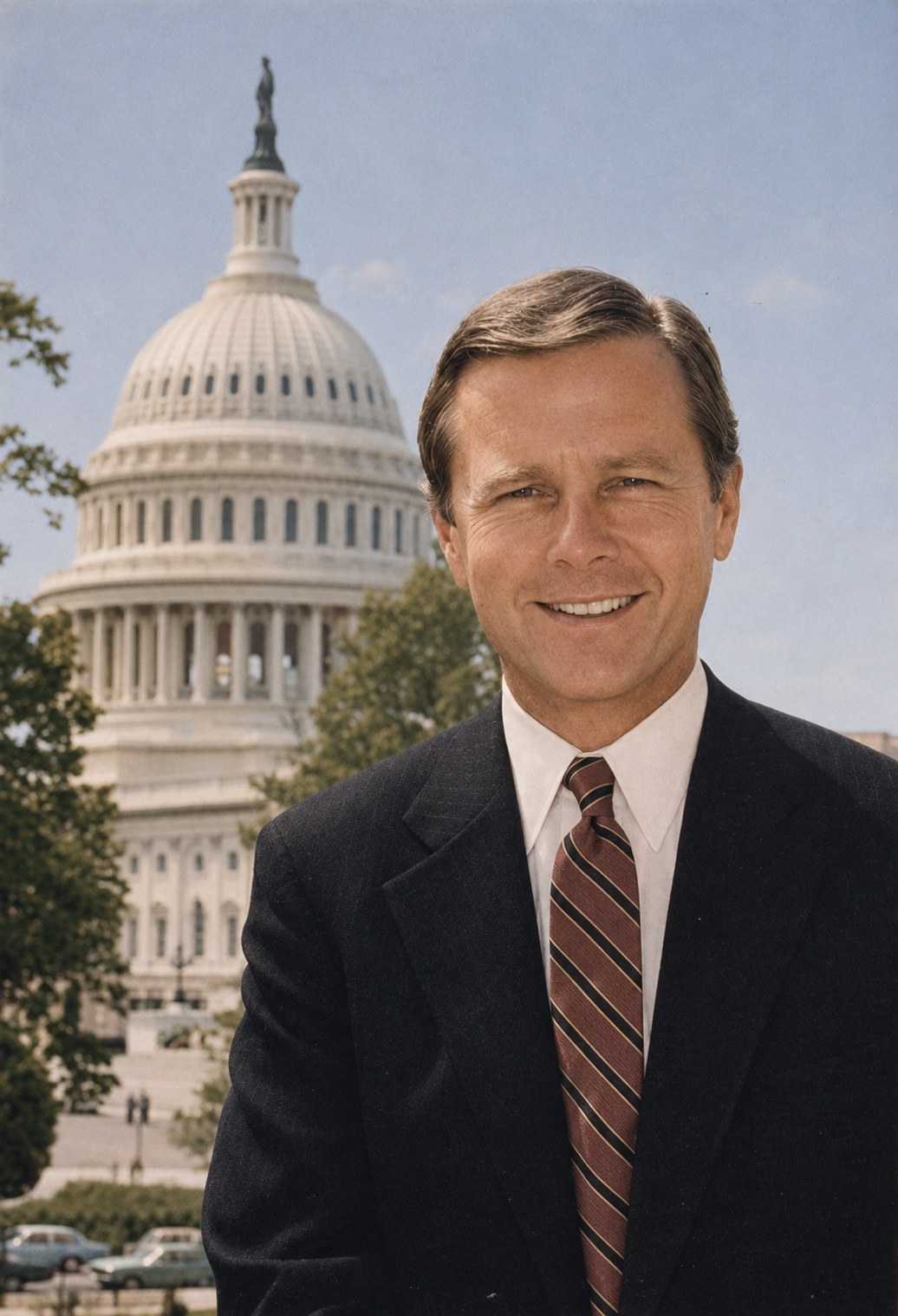
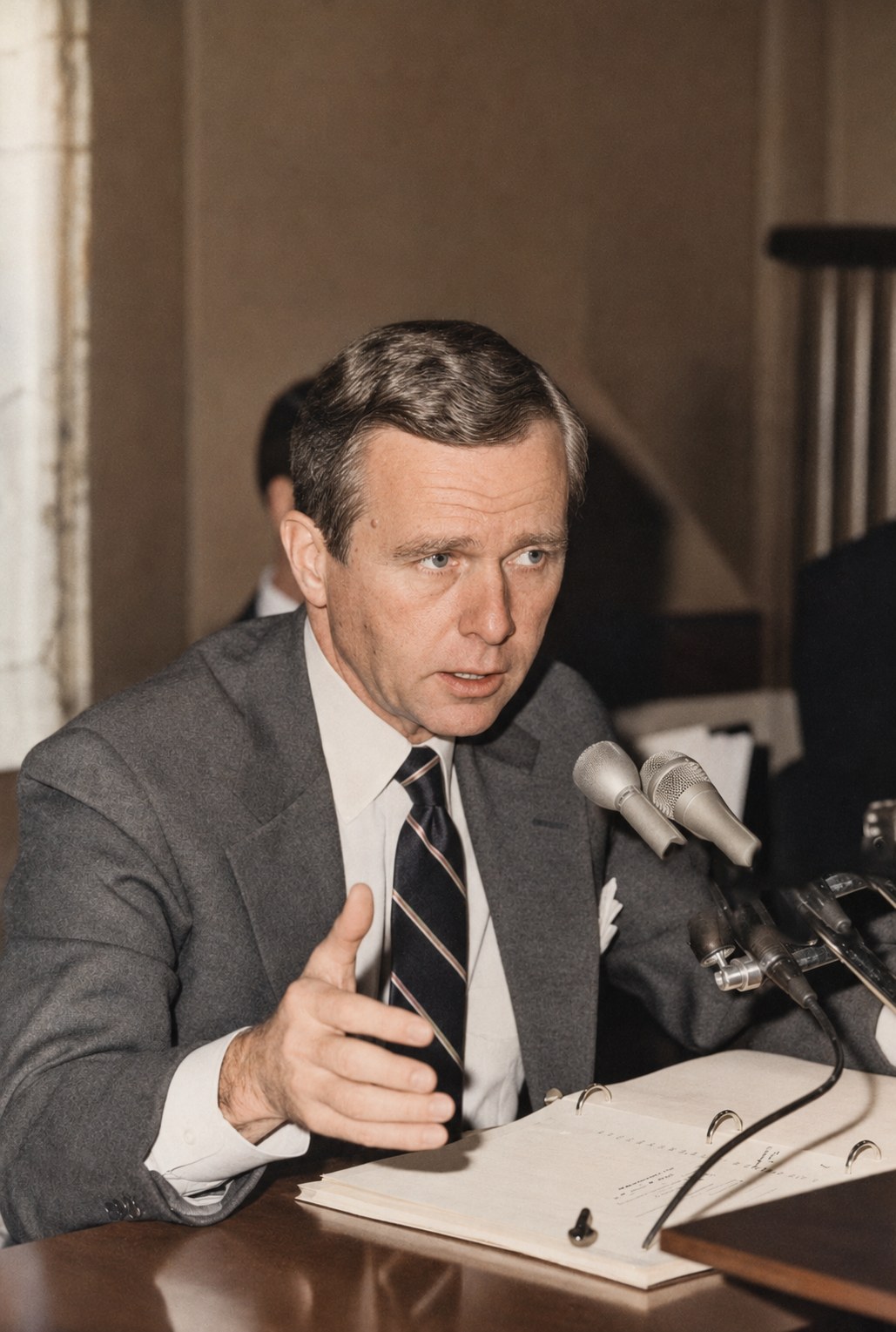
In 1982 Wilson beat Governor Jerry Brown 51 to 44 for an open Senate seat, after a debate in which Brown tried to stump him on Namibia and lost the exchange. Ranked 97th of 100 in seniority, he served on Armed Services, Commerce and Agriculture, and became the Senate’s hand on Central America.
He broke with his party when he thought it was wrong, co-sponsoring reparations for Japanese Americans interned during the Second World War, and in 1988 he helped sustain President Reagan’s veto of a defense bill that gutted missile defense. California re-elected him that year by eight points, with more than 5 million votes.

1991–1999
Governor of California
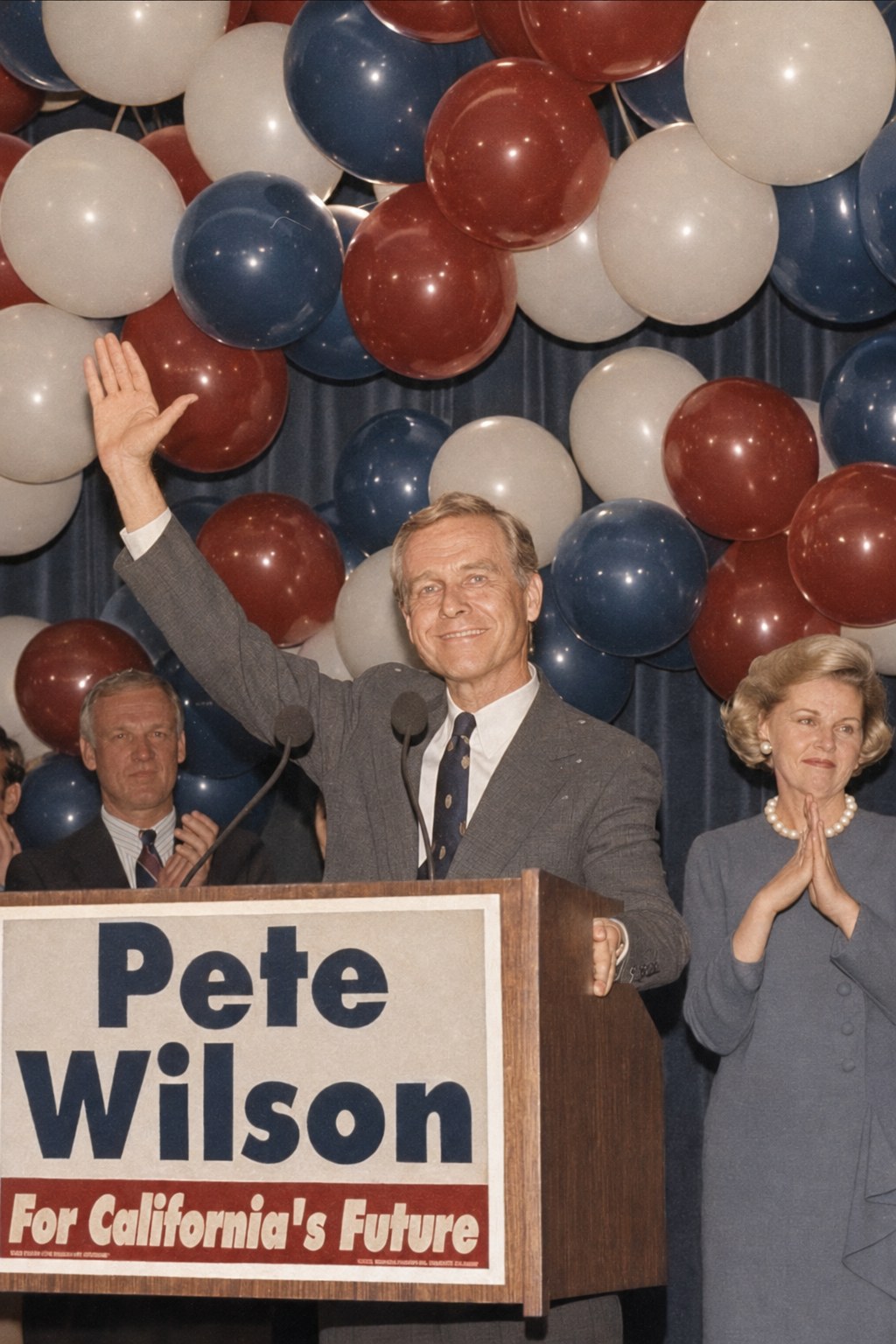
Wilson defeated Dianne Feinstein in 1990, 49 to 46, and took office as the state’s revenue collapsed: the shortfall reached $14 billion, a third of the budget. In 1992, rather than raise taxes, he let the state pay its bills in IOUs for 63 days, until Speaker Willie Brown told his own members, “You may not like the man, but he’s no fool. This is as good as it’s going to get.”
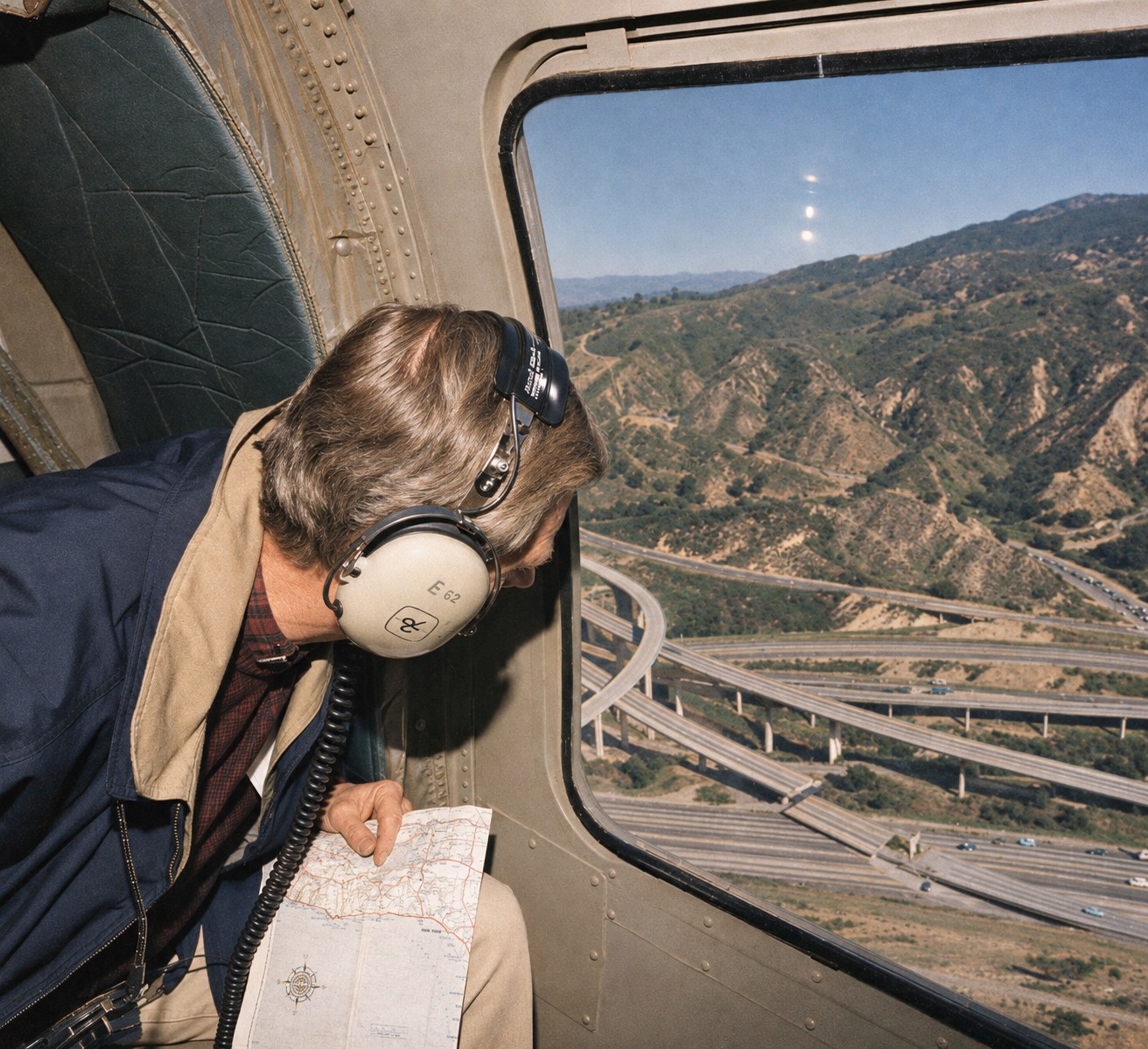
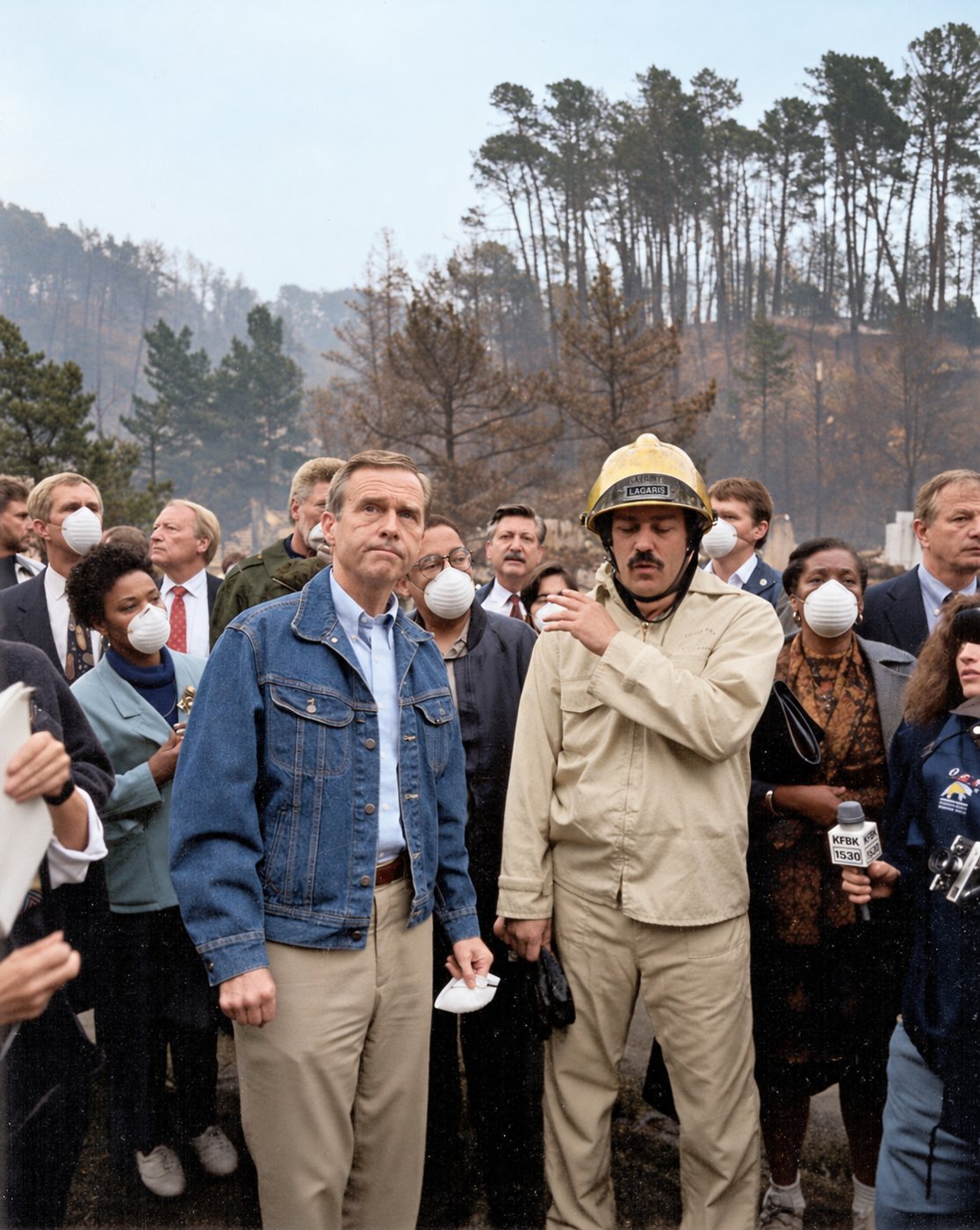
Then came the Los Angeles riots, the Oakland fire, drought and the Northridge earthquake; by the end of his first term all 58 counties had been declared disaster areas. He sent the National Guard into Los Angeles, and after the earthquake he offered contractors $200,000 for every day they beat the schedule on the I-10, which reopened in 66 days against an estimate of 139.
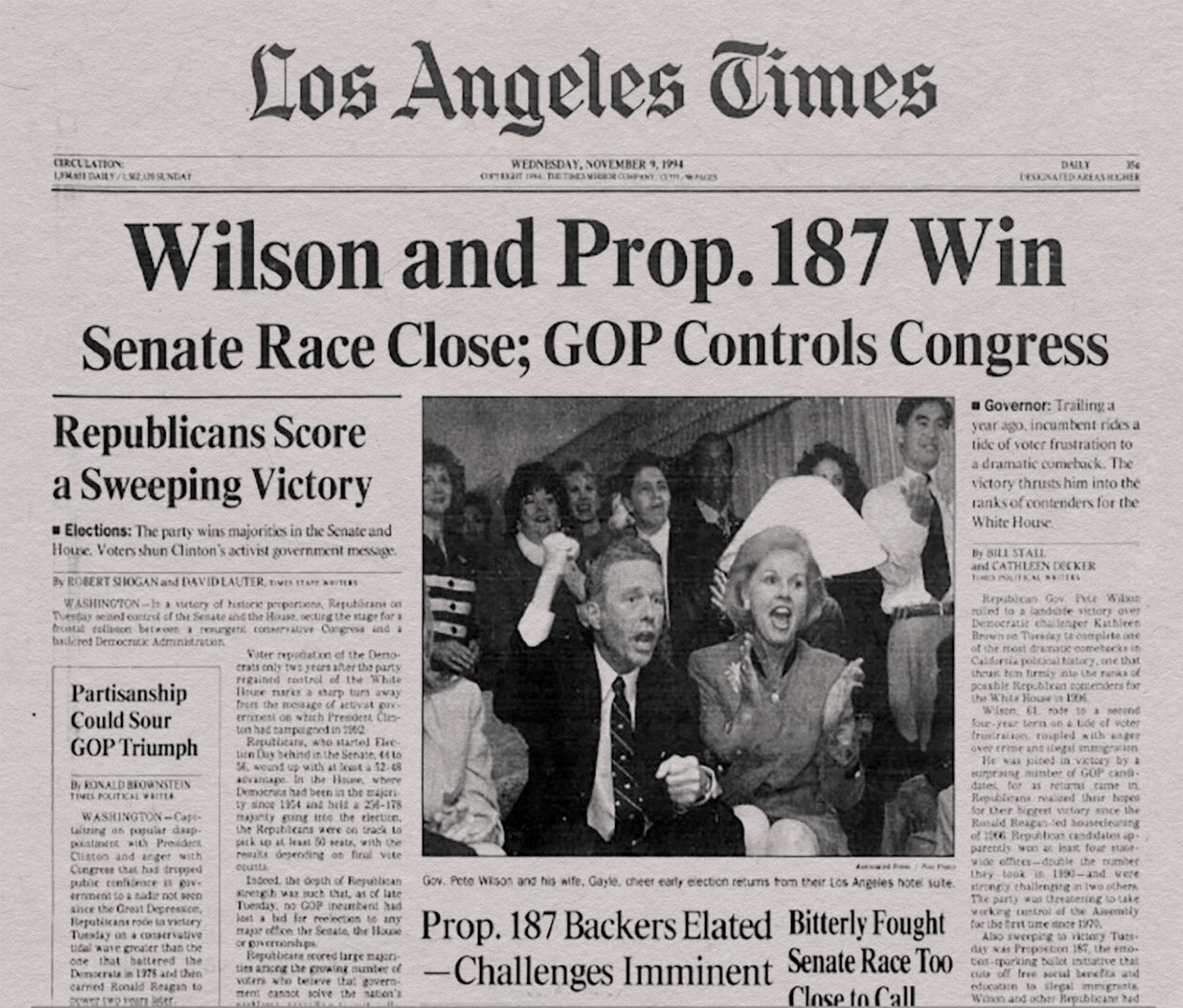
In March 1994 he signed Three Strikes, keeping a promise to Mike Reynolds, whose daughter Kimber had been killed in Fresno: “So help me God, I will too.” He sued Washington over the cost of illegal immigration and endorsed Proposition 187, which passed 59 to 41. Trailing Kathleen Brown by as much as 23 points early that year, he won re-election 55 to 40.
His 1995 run for president ended weeks after its launch, sunk in part by surgery on his vocal cords. Back in Sacramento he led the fight for Proposition 209, which ended racial preferences in state hiring, contracting and education, signed the largest California tax cut since 1943, and toughened sentences for crimes committed with guns. He left office in January 1999 with a 55 percent approval rating, the highest of his governorship, and a $16 billion surplus for his successor.
1999–
After Politics
After 32 consecutive years in elected office, Wilson wrote no memoir. He chaired the board of the National World War II Museum in New Orleans and joined the Hoover Institution.
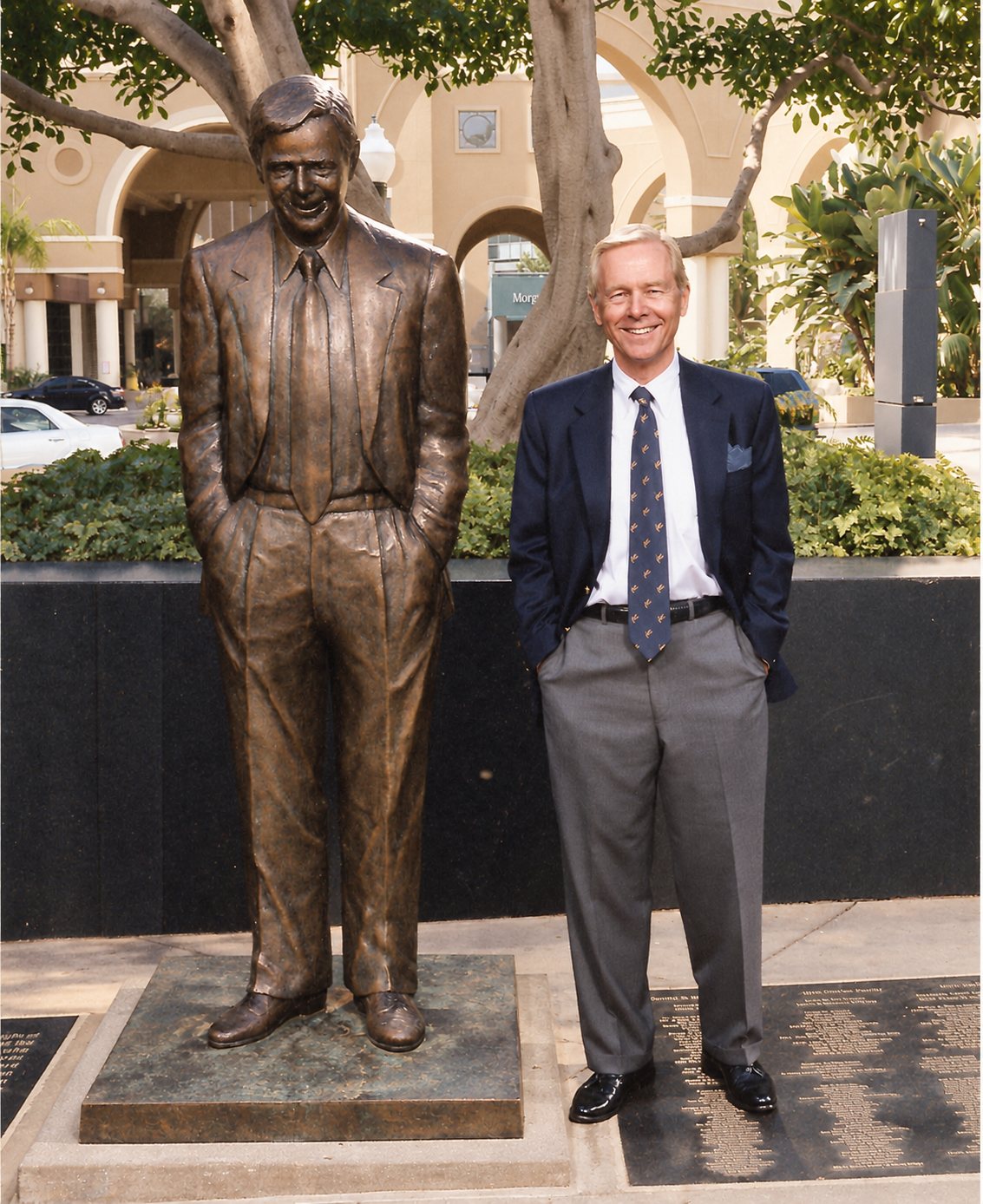
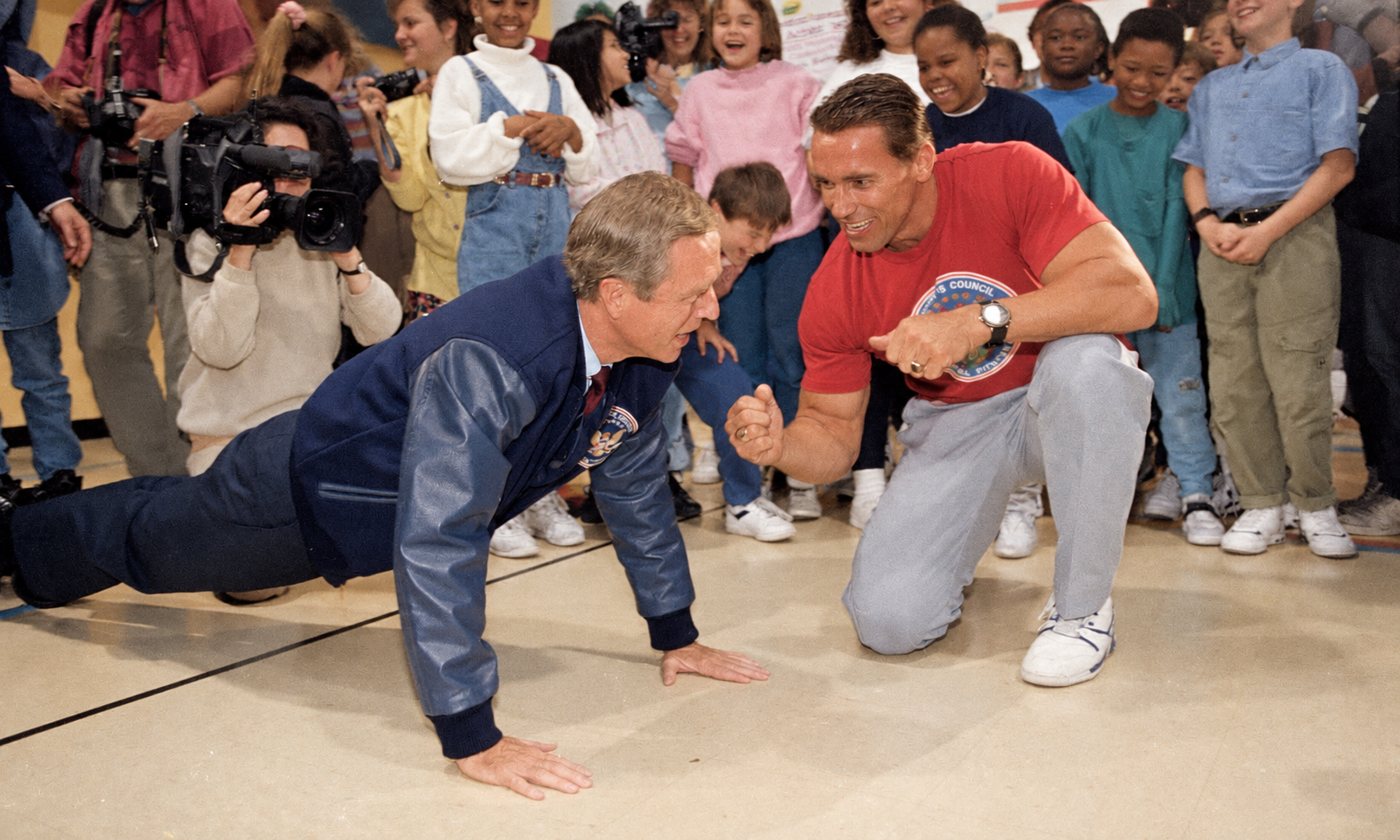
In 2003 he co-chaired Arnold Schwarzenegger’s campaign in the recall of Gray Davis, and Schwarzenegger hired many of his former staff. “I needed his expertise,” Schwarzenegger later said. “I needed his wisdom.” In 2007 San Diego placed a statue of Wilson beside Horton Plaza, in the downtown he rebuilt.
Media
Press & Booking
News about the book, the press kit, and guests available for interviews.
News
News and updates on the book will appear here.
Book a guest
Pete Wilson spent 32 years in public office, and many of the people who served with him went on to prominent careers in American politics, government and law. Some worked for him in the US Senate. Others were in the governor’s office in Sacramento through the hardest stretch in modern California history: the 1991 budget collapse, the Los Angeles riots, the Northridge earthquake, and the fights over Three Strikes, Proposition 187 and Proposition 209.
These guests saw his decisions being made up close, and they can explain how he governed, why he took the positions he did, and why so much of his record looks different today than it did in the 1990s. They are available for television, radio and podcast interviews. To book a guest, email media@mr-california.com.